Brutese the Mixed Breed
He is big and trained and his name is Brutese. He loves pancakes and is very sweet. Submitted by Jonah F.

He is big and trained and his name is Brutese. He loves pancakes and is very sweet. Submitted by Jonah F.

The splashing, paddling, and excitement of a swimming pool make it an irresistible way for dogs to cool off on hot days. Pools may look like loads of fun on the surface, however, the water contains chemicals that keep it safe for humans but may pose risks to pets. Understanding how those substances work, what dangers they carry, and how to reduce exposure is essential for anyone who lets their furry best friend join them for a dip.
Why Pool Chemicals Are Necessary
Pools are breeding grounds for bacteria, algae, and other microorganisms. Chlorine, bromine, and algaecides are commonly used to sanitize and control growth. These chemicals make swimming safe for people by neutralizing harmful organisms. However, the same substances that protect human swimmers can irritate a dog’s skin, eyes, or digestive tract if exposure isn’t managed properly.

Chlorine: The Most Common Concern
While chlorine is the backbone of pool maintenance, it’s also the most frequent irritant for dogs. A well-balanced pool usually won’t harm a healthy pet after a short swim. Problems arise when levels are too high. Prolonged exposure can also cause itchy skin or red eyes. Testing pool levels regularly — and rinsing a dog thoroughly after swimming — helps reduce these risks.
Other Substances to Monitor
Beyond chlorine, algaecides and shock treatments can be dangerous if not used correctly. Copper-based algaecides, for example, may lead to gastrointestinal distress or, in rare cases, toxic buildup. Some pool owners also use stabilizers to extend chlorine’s effectiveness. While helpful for maintenance, they add another chemical layer that dogs shouldn’t ingest. Homeowners who rely on commercial pool services typically have better control over safe levels, since professionals are trained to balance sanitation with safety. It doesn’t hurt to let your professional pool cleaner know that your dog enjoys swimming, too, so they can be mindful of it.
How Exposure Happens
Dogs don’t just swim in the water; often, they drink it. Ingestion may lead to vomiting or stomach upset. Even small gulps during play add up quickly. Contact exposure is another issue. A dog’s skin can also absorb low amounts of chemicals, especially if their coat is wet for long periods. Sensitive areas like the nose and eyes are easily irritated, just like with humans. Knowing that exposure comes through both ingestion and absorption underscores why rinsing, supervision, and limited swim times matter.
Preventive Measures for Safe Swimming
Owners can take several simple precautions to keep dogs safe while still letting them enjoy the pool:
— Rinse your dog before and after swimming to reduce chemical absorption.
— Offer fresh drinking water nearby so they aren’t tempted to drink pool water.
— Monitor pool chemical levels frequently, especially after shock treatments or heavy use.
— Trim long hair around eyes and ears to reduce irritation from splashes.
— Supervise swim sessions to prevent overexposure.
These small steps go a long way toward preventing problems and ensuring that pool play remains fun instead of risky.

Recognizing Warning Signs
Even with precautions, accidents happen. Watch for early signs of chemical-related issues: excessive drooling, coughing, vomiting, eye redness, or unusual scratching after swimming. Most cases are mild, but it’s always best to call a veterinarian if symptoms don’t resolve quickly. Prompt attention can prevent more serious complications.
Balancing Safety and Fun
Dogs thrive on activity, and swimming is excellent exercise that’s easy on joints. Avoiding pools altogether isn’t necessary, but thoughtful management is key. By keeping an eye on chemical levels, rinsing after swims, and working with trusted commercial pool services when needed, owners can create a safe environment where dogs enjoy the water without hidden dangers.
Creating that balance means peace of mind for you and a safe splash zone for your four-legged friend. With a little awareness and a few preventive habits, your dog can keep swimming happily without the risks that come from harmful substances that exist in swimming pool water.

Frenchie parents love to pamper their pups with new toys, cozy beds, stylish outfits, and, of course, walks that show off their little bat-eared companions. But when it comes to harnesses, many owners end up making small mistakes without realizing it. And with French Bulldogs, those errors can be dangerous.
Frenchies are a breed unlike others in their very specific build: short and muscly with broad chests and short necks. This makes it challenging to find a harness that fits a Frenchie, since designs made for Poodles or Labs may push against the wrong areas for a Frenchie, constrict their air, or rub against their shoulders.
Dog owners usually cite that harnesses are the better option for brachycephalic dogs such as the French Bulldog because collars put excessive strain on their already compromised airways. But the wrong type of harness or even a slightly bad fit can cancel out those benefits.
In this post, we’ll break down the most common harness mistakes Frenchie owners make and the quick fixes you can use to keep your pup safe, comfortable, and happy on every walk.
1. Using the Wrong Size Harness
Many Frenchie owners pick a harness that’s too tight or too loose by guessing the size. French Bulldogs do not have the same build as other dogs. Their wide chest and short neck make standard sizing charts unreliable.
Why it matters: A too-tight harness can push on your Frenchie’s windpipe or chest, making it more difficult for them to catch their breath, already an issue for a brachycephalic breed.
Alternatively, a too-loose harness will slip off when your pup jars back against the leash. That is not only a hassle; it is actually a serious safety hazard if you are in traffic or in a crowded location.
How to Choose the Right Size:
— Measure your Frenchie’s chest just behind the front legs.
— Measure the neck separately.
— Compare with the brand’s size chart.
— Remember, every brand fits a little differently.
— If between sizes, choose the larger one and adjust the straps.

2. Choosing Style Over Function
It is easy to get drawn in by harnesses that look cute, have bright colors, patterns, or trendy designs. Many Frenchie parents buy based on looks first, without realizing that not all harnesses are built for their dog’s unique body shape.
Why it matters: French Bulldogs are not a “one size fits all” breed. A harness made for a generic small dog might look fine, but it can put pressure in all the wrong spots for a Frenchie. Because they are flat-faced (brachycephalic), their breathing can be affected if the harness presses on the throat or chest.
A poorly designed harness can also rub under the arms, limit shoulder movement, or cause overheating if it is made from heavy fabric.
How to Choose the Right Harness:
— Choose no-pull designs that reduce strain on the chest and neck.
— Look for padded chest support to spread pressure evenly.
— Pick breathable mesh materials to keep your Frenchie cool.
— Go with wide, adjustable straps that do not dig into the skin.
— Once you have got comfort and safety covered, then pick the color or pattern you like.
There are several brands like frenchie.shop that offer safety-designed harnesses for French bulldogs that meet both functional and aesthetic requirements.
3. Putting the Harness on Incorrectly
A lot of us clip the harness on in a hurry and do not notice little things like straps twisted around, clips not fully snapped in, or the whole harness sitting sideways. It does not look terrible at first, but those small mistakes make a big difference once you start walking.
Why it matters: A twisted strap rubs into the skin, loose clips can pop open if your Frenchie pulls, and a harness sitting the wrong way never fits the way it should. So, make sure you know how to properly fit your dog’s harness first.
If it is too loose, they can back right out of it. If it is too tight, it digs into the chest or neck and makes breathing harder. With a Frenchie’s short airway, you do not want any extra pressure there.
How to put on a harness correctly:
— Straps lying flat, no twists.
— Buckles clicked in all the way.
— Harness sitting straight, not sideways or upside down.
— Use the two-finger test: slip two fingers under each strap.
— Adjust on the spot if it feels off; it is better to fix it before the walk than halfway down the street.

4. Ignoring Adjustments as Your Frenchie Grows
Frenchie owners usually purchase a harness when their pup is tiny and simply continue to use it as the dog grows. The problem is, French Bulldogs are not a “one-size-fits-all” breed. A harness that worked beautifully at 4 months might start to feel too tight once your dog reaches 8 or 10 months.
Why it matters: French Bulldogs gain weight and muscle mass rapidly, particularly in the shoulders and chest. Too-tight harnesses can compress their airway and limit movement, and too-loose ones present a slipping hazard. Both are likely to make walks stressful and even dangerous.
What to Look for as your Frenchie Grows:
— Re-measure chest every few months.
— Check neck size too.
— Adjust straps as needed.
— Watch for tightness or looseness.
— Use the two-finger test for fit.

5. Using a Collar Instead of a Harness for Walks
Collars are good to put your dog’s tags and make an essential part of any dog survival kit. These collars sit right on a dog’s neck, but for French Bulldogs, that can be a real issue. Their short noses and tight airways make breathing a struggle already, so any extra pressure on their neck can make it worse.
Why it matters: A collar can press on their windpipe, making it hard to breathe, causing gagging, or even leading to dangerous airway problems. Over time, it also puts stress on their neck bones, which can hurt them for life. For a Frenchie, a collar is not just uncomfortable; it can actually make breathing harder and cause lasting damage.
How to fix this issue:
— Always use a harness for walks.
— Reserve collars only for holding ID tags or microchip backup info.
— Choose a padded harness for comfort.
— Make sure it fits snug, not tight.
— Check straps with the two-finger test.
6. Not Checking Material & Comfort
A lot of cheaper harnesses are made from rough nylon straps or hard plastic pieces. On a Frenchie, that kind of stuff rubs the skin raw pretty fast. You’ll often notice bald spots near the armpits, redness across the chest, or your dog scratching at the harness after walks.
Why it matters: Frenchies have thin coats and skin that react to almost anything: heat, allergies, and even a small amount of friction. If the harness is rough, it doesn’t just leave marks; it can cause rashes and sores. Once that happens, your dog may start hating the harness altogether because it hurts every time they wear it.
How to choose the Right Harness Material:
— Choose soft, padded material that is comfortable to touch.
— Ensure that the chest and belly panels are cushioned.
— Avoid harnesses with sharp seams or plastic edges.
— Select a sturdy material that will not fray in a matter of weeks.
— Inspect your Frenchie’s skin following each walk for redness or irritation.
FAQs
What type of harness is best for French Bulldogs?
A no-pull harness that is breathable and padded. A good harness should distribute pressure evenly across the chest without restricting breathing.
How do I measure my French Bulldog for a harness?
You can use a soft measuring tape to measure around the widest part of your Frenchie’s chest and at the base of their neck. Again, be sure to check the sizing chart before purchase.
Can French Bulldogs wear collars instead of harnesses?
Collars are safe to use to hold ID tags, but veterinarians typically recommend using a harness for walks. Harnesses reduce strain on the neck and help reduce breathing issues.
How often should I replace my French Bulldog’s harness?
If you notice fraying straps, broken clips, or your French Bulldog has outgrown the fit, then it should definitely be replaced. On average, harnesses should be checked every 6-12 months.
Are harnesses safe for French Bulldog puppies?
Yes, but begin with a lightweight, adjustable harness. Puppies mature rapidly, so recheck sizing frequently to keep them comfortable and safe.
Conclusion
Frenchies are not the most accommodating breed when it comes to a harness. Their broad chest, short neck, and delicate skin make even a tiny error escalate into breathing issues, chafing, or a harness they can slip right out of.
Fortunately, many of these issues are easy to correct if you know what to look for. A few minutes of re-measuring, tightening straps, or inspecting the material can make each walk safer and a whole lot more comfortable.
The proper harness results in more wagging tails, fewer struggles, more comfort, and joyful walks for years to come.

You may easily get a Golden Retriever puppy from a pet store, a friend, or a local breeder who always has a litter available. However, this is not always a smart option because you don’t know the animal’s background if you buy from non-certified persons or groups. Without a thorough understanding of a puppy’s origins, you may wind up with a dog with health issues. This could result in hundreds of dollars in future medical expenditures.
When you go through the dog breeding process with a licensed Golden Retriever breeder, you can confidently choose your future puppy.

Why Should You Buy from a Reputable Golden Retriever Breeder?
Reason #1: Your breeder will provide you with information and guidance.
Ethical Golden Retriever breeders devote their lives to ensuring the health and happiness of their puppies and parents. They spend a lot of time socializing, caring for, and studying their litters, so they know everything about their canines before they are born. You’ll find those cute golden puppies here already given the best start in life — with initial vet exams, early health inspections, and basic grooming. On top of that, they will explain what you need to do before bringing your puppy home so you do not feel overwhelmed.
Reason #2: Your breeder will provide you with your puppy’s genetic history.
Knowing your puppy’s genetic history will be beneficial in the long run. Not only will documentation of his pedigree demonstrate that your breeder is certified, but it will also confirm that your puppy is a genuine Golden Retriever. You’ll also have access to his health records (together with his parents’). It is not uncommon for Golden Retrievers to develop joint problems such as hip dysplasia, and a genetic history will reveal whether this runs in the puppy’s family.
Reason #3: Your breeder will offer a health guarantee.
A health guarantee is a reliable indicator of a respectable Golden Retriever breeder. The greatest puppy breeders take pride in producing healthy puppies through meticulous genetic study. They should be so confident in their job that they offer you a health guarantee that outlines what to do if your puppy develops any unexpected health difficulties.
Reason #4: Your breeder will select the appropriate puppy for you.
While a puppy’s personality will vary as they grow older, there are some strong clues in the first few weeks of your pet’s life. Breeders know which pups (and their parents!) are most suited to your interests and lifestyle because they have been with them since they were born.
Reason #5: Your breeder will be there for your puppy’s life.
Good breeders will not simply hand over one of their animals to someone and cease the relationship. They will choose you because they believe you are a good fit for their dogs, and they will want to know how they are doing a week, a month, or even years later.
How to Choose a Good Golden Retriever Breeder
Finding a reputable breeder is the first step in selecting the ideal pet for your family. Here are some crucial factors that all breeders should consider:
— Does the breeder contribute back to the breed? Breed preservation should be the main focus of Golden Retriever breeders. They should help maintain the species alive by joining a Golden Retriever breed dog group, a performance club, or an obedience club.
— What kind of experience does the breeder have? The longer a breeder has been in business, the more expertise they’ll have delivering healthy, genetically correct litters.
— Are they genuine to the breed’s pure genetic traits? Every puppy in a breeder’s litter should meet the breed’s standard, which includes no non-standard sizes, non-certified coat colors, or unethical hybrid breeds.
— Can you meet the puppies and their parents in person? If a breeder welcomes you to visit their facilities and see their dogs, you know they don’t have anything to hide.
— How many litters do females produce each year? Female Golden Retrievers can have as many as two litters every year. However, breeders who adhere to ethical standards will only allow females to have four to six litters in their lifespan. Females can breed between the ages of two and eight.
Expect These Questions from a Responsible Golden Retriever Breeder
In return, expect some inquiries about yourself, your lifestyle, and your property! A reputable Golden Retriever breeder will ask questions to see whether your household is a good fit for their dog.
— Why do you want a dog?
— Why did you choose this breed?
— Who will be accountable for the dog’s care?
— Are you aware of the attention and care that your dog will require?
— Do you have any children or pets?

What Are the Warning Signs of a Questionable Golden Retriever Breeder?
No matter how pleasant a breeder appears, you want to avoid unintentionally supporting backyard breeders or a puppy mill masquerading as a reputable breeder. Doing so could result in thousands of dollars in medical expenditures and years of misery.
Here are some of the most important and evident symptoms of an untrustworthy breeder:
Red Flag #1: They are selling dogs for less than what they are worth.
The truth is, well-bred dogs are not inexpensive.
Red Flag #2: They do not provide guarantees, contracts, or pedigree papers.
A qualified breeder guarantees the health of their puppies and provides confirmation of pedigree. That’s because buying from a breeder is all about knowing exactly what you’re getting!
Red Flag #3: They don’t provide references.
A reputable breeder should provide numerous recommendations from prior customers. If they do not freely provide a list of prior clients, they may be concealing something.
Red Flag #4: You are not allowed to observe the puppies and meet the parents.
If you are not invited to visit the facility and observe where the parents and puppies are raised and reside full-time, they may be living in less-than-ideal circumstances.
Red Flag #5: They do not ask any questions about you.
Ethical and respectable Golden Retriever breeders care as much about their babies as you do, so they should ask you a lot of questions — to the point where it feels like an interview!
Conclusion
Choosing a new Golden Retriever puppy is a thrilling experience. However, to ensure the best experience for your family in the long term, take your time, conduct research, and purchase from a reputable puppy breeder. If you’ve observed any red flags — such as not providing references, refusing to allow you to see the facility, and selling them for less than their worth — you’ll know this isn’t the right breeder for you. However, numerous testimonials, images, videos, a desire to answer inquiries, and an invitation to meet the Golden Retrievers in person indicate that the breeder has nothing to hide and is happy to reveal the status of their pups at any time.

City life seems exciting when we consider our various human requirements. But whenever you share your apartment with a pup or dog, a lack of space can prove to be a tough challenge. Most city dwellers have to adjust to small spaces. Often, dog owners are worried about the well-being of their beloved pets, thinking that their dogs might be deprived of their happiness in the absence of a big backyard. However, the good news is that with the right mindset, routines, and some hacks, it is possible to raise a healthy and content pup even in the smallest of accommodations. You can also browse this dog site to discover more on this topic. Meanwhile, let’s find out how to keep your pup happy in a small apartment.

Redefining exercising
Of course, for a pup, exercising is a must. In most cases, people believe a dog can only get the best exercise when he is running in a yard. But the city, too, offers ample opportunities like sidewalks, parks, and even hallways. One can utilize these spaces to engage in activities. The idea is to move around at regular times for your dog. The possible ways are as follows:
— Multiple short walks: Ditching the idea of one long walk, you can include three or even more shorter walks spread throughout the day. It will keep your dog active without needing open spaces for her exercises.
— Use the stairs: Almost all city apartments have stairs; you can arrange a setting and you and your dog can climb the stairs together. It can be a great workout; just make sure your dog’s joints are healthy and ready to take the toll.
— Change routes: To add variety, change the walking routes at regular intervals. This will help your dog to identify new smells and sights; as a result, his brain will also remain engaged.
Let your apartment become the ideal mental playground for your dog
Along with physical exercises, mental stimulation also happens to be an integral part of a dog’s well-being. When a dog is bored, she may exhibit unwanted behavior like chewing shoes, books, barking more often, or engaging in some mischief. Here is how you can stimulate their brains in your city home:
— Puzzle feeders: Instead of serving your dog with the same serving bowl, replace it with a puzzle feeder. Very soon it will transform their mealtime into a brainstorming game.
— Hide and seek: You can hide small treats around the apartment and let the dog sniff them out.
— Change toys: Do not give them all of their toys at once. For the best results, change toys after a few days. Whenever your dog identifies something as “new,” it will help keep her on her toes, and of course, excited.
— Making training sessions more fun: Try teaching your dog a new trick every week. It can be as short as five minutes, which would be enough. It will help sharpen his focus and strengthen the bond with you.
Be mindful of the neighbors
One of the biggest disadvantages of city life is sharing walls with the neighbors. If your dog starts barking early in the morning, the neighbors would not appreciate it. Thus, make soundproofing arrangements by installing rugs and wall hangings that are known to absorb noise. It will work well if you can also teach your pup to settle down for some time.
Introduce him to a good potty routine
This is yet another challenging aspect of city life, as the lack of a backyard can make potty training dogs very difficult. Things can get even worse when the weather is bad. For the best results, you should stick to regular potty times, which will eventually make your dog accustomed to the regular intervals.

Overcoming the feeling of being cooped up
Make no mistake, dogs, like humans, can get feverish when they are locked indoors for days. Exposure to fresh air and a new environment is mandatory for both humans and dogs to boost their mental health. Planning weekend adventure tours can solve the problem instantly. During specific seasons like winter, help your dog experience the snow, and during rainy days, let her hop for some time in a puddle; all these might prove to be quite enjoyable for her.
Showering unconditional love
As dog lovers, each of us should understand that it is not the square footage that determines the happiness of our four-legged friends. Instead, they are content as measured by the attention, time, and care they get from their pet parents. Even a small apartment dweller can turn out to be the most lovable and successful dog owner compared to someone who owns a big home with a spacious backyard.
On the flip side, city dogs get the additional benefit of forming close bonds with their owners, as they often share close quarters with them. The regular closeness can make training easier, establish trust, and overall build a special connection. So, as you can see, space hardly matters when it comes to raising a dog successfully. When you are patient and offer help to your dog, he or she will treat every day as an adventure, and will love to be in the environment.

Having a dog in your life can be a source of great joy, but it comes with extra responsibilities and challenges. For those with allergies, taking care of yourself and the dog can be outright difficult. Even if you aren’t allergic to dogs, your pet can collect and spread other allergens that still trigger a reaction.
The good news is that you have plenty of resources to help manage your allergies, and a number of techniques come down to how you do your laundry. Today, you’re going to learn a handful of laundry routines that can help you control allergens for both you and your dog.

Browse Detergents
If you and/or your pet has allergies, then finding the right hypoallergenic detergent is the best place to start. You have nearly endless options, so shop for yourself first and your pet second. Go to the store and sniff any promising options. See if you react. After you find (hopefully) a few different options, you can try the smallest samples of them and see how your pet reacts.
Once you have a detergent that doesn’t exacerbate allergies, you’re ready to take on laundry and cleaning tasks to beat the other allergens in the house.
Even if you’re someone who enjoys wash and fold laundry service on a regular basis, you want to do your homework with detergents to inform your service provider.
Wash Pet items
Presumably, you already wash your clothes with some regularity. Pet items are easier to overlook. If your doggo wears any clothes — like a sweater — then they should be washed after use or weekly.
Similarly, dog beds, collars, leashes, toys (that are safe in the washing machine), and anything else that gets a lot of the dog’s attention should get a weekly wash. That will significantly reduce any buildup of fur and/or dander and bring you a lot more peace.
If your dog is the one with the allergies, this tactic still helps, as you’ll get allergens off the items they interact with most.
While we’re on the topic, wash pet items separately. This reduces cross contamination with your clothes, reducing further allergy attacks. You can consider an extra rinse cycle, too. It hits the super furry items a little harder, and it helps mitigate any leftover fur and dander once the wash cycle is done.
Use Pet Hair Catchers
You’ll find more options than you can count, but there are tools that go in your washer/dryer that collect dog hair. Plenty of them work, too. From specialized dryer sheets to dryer eggs and many others, find one that suits your laundry style, and catch all that extra hair. It keeps it out of drains and lint traps, and it helps prevent hair from clinging to clothes.
As a side note, they do a good job of catching human hair, too — in case there’s a shedder in the family.

It’s Not All in the Laundry
One of the best things you can do to reduce allergies is give your washer and dryer a little help. Use a carpet brush to get hair out of rugs and carpet. That prevents the hair from spreading to clothes and other items.
Dust regularly to stay on top of dander.
Grooming the dog consistently controls shedding. It also makes their life a lot more comfortable, so it’s a win-win.
Even a tactic as simple as using a lint roller on clothes before they go in the hamper will lighten the workload of your washer and dryer and help with overall allergy control.
Apply Heat
This last tip should be used with caution. Washing or drying items on high heat can help break down allergens on a chemical level. That said, high heat can also affect the items you wash, increasing risk of damage to the fabrics. Always double-check labels and fabrics to make sure they can handle the heat before trying this method.
You can enjoy life with your dog to the fullest. Laundry is only part of the equation, but when you use it to take control of allergens, you get that much more peace and joy in your life.

Barley is a 7 year old Wheaton Terrier and Shih Tzu mix. He loves everyone except our vacuum cleaner. He loves naps on the couch with mommy and daddy. He’s a Georgia native, so he loves playing with his Bucee squeaky toys. Submitted by Tiffany.


Teddy is amazing, friendly, energetic and good with kids. He is an 8 month old Husky and German Shepherd mix. Submitted by Cecilia F.


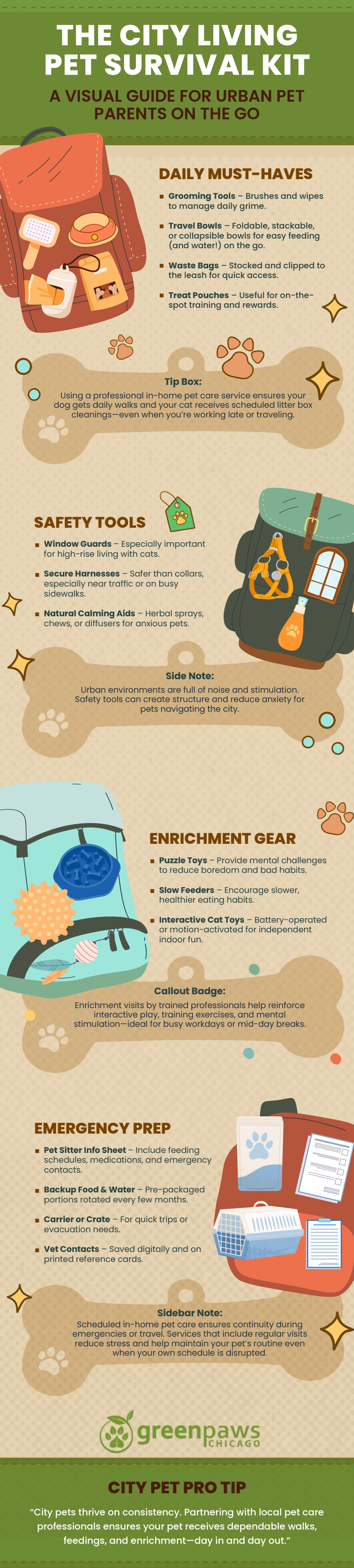
City life offers excitement, convenience, and a fast pace that appeals to many pet owners. For dogs, however, urban environments present unique challenges. Noise, traffic, crowds, and limited green space all influence how a dog experiences daily life. To keep pets safe, comfortable, and healthy in the city, dog owners need a practical survival kit that addresses both routine needs and unexpected situations.
Leash, Collar, and ID Are Essential
Every city dog should wear a well-fitted collar with clear identification tags. Include your phone number and address, and make sure the tag is updated if you move. In many cities, leash laws are strictly enforced, and a sturdy leash is vital for safety in crowded or high-traffic areas. A backup leash in your kit can be helpful in case the primary one breaks or becomes damaged.
Microchipping is another possible safety step to consider. If a dog gets loose in a densely populated area, a microchip gives shelters and veterinarians the best chance of identifying and returning your pet.

Portable Water and Collapsible Bowl
Urban walks often involve long stretches of pavement with limited access to fresh water. A collapsible bowl paired with a water bottle ensures your dog stays hydrated, especially during summer months. Overheated concrete can cause dehydration or paw burns, so having water on hand is important even for short outings.
Waste Bags and Cleaning Supplies
Cities often have strict rules about pet waste removal. Carry enough biodegradable waste bags for every outing. Adding disinfectant wipes or hand sanitizer to your kit can help maintain hygiene, particularly if your dog touches public surfaces or has a minor accident indoors.
Paw Protection and Grooming Tools
Concrete, salt, and other urban surfaces can wear on your dog’s paws. Booties or paw balm provide a protective barrier, especially in winter or extreme heat. Regular brushing can help remove debris from fur and prevent matting, which is more common when walking through city parks or sidewalks.
Noise and Crowd Management Items
City noise can be overwhelming for some dogs. If your dog is sensitive to loud sounds like sirens or construction, consider adding a calming aid or anxiety vest to your survival kit. Portable crate covers or blankets can also provide a sense of security in chaotic environments.

Local Resources and Emergency Contacts
Keep a list of nearby veterinarians, 24-hour emergency clinics, and local animal control numbers. Include a map of local parks and dog-friendly areas. Some owners also rely on dog walking companies to support their pets’ needs during long workdays or travel. Including contact information for trusted services ensures quick action if plans change or emergencies arise.
City living with a dog requires more than routine care. A well-stocked survival kit helps manage both daily activities and sudden changes. With the right tools on hand, dog owners can confidently support their pet’s well-being while navigating the urban landscape. Equipping yourself and your dog with these essentials reduces stress, enhances safety, and promotes a healthier lifestyle for pets living in high-density areas. Check out the infographic below to learn more.

For many military veterans, returning home marks the beginning of a new battle — one often fought silently. The transition to civilian life can bring a host of challenges, from post-traumatic stress disorder (PTSD) and anxiety to mobility limitations and social reintegration. In the face of these struggles, a growing number of veterans are finding strength, independence, and healing with the help of a trusted ally: the service dog.
For veterans, service dogs provide far more than companionship. These highly trained animals are lifesaving partners, equipped to perform tasks that ease the burden of mental and physical injuries. As awareness grows, so does support from organizations and individuals nationwide, including those who contribute in creative ways.

Support That Goes Beyond the Surface
Service dogs for veterans are specifically trained to assist with both visible and invisible disabilities. For those with mobility challenges, a service dog can retrieve dropped items, open doors, or provide balance assistance. Veterans coping with PTSD may rely on their dog to wake them from nightmares, create space in crowded areas, or perform deep pressure therapy during moments of high stress.
These tasks are carefully tailored to each veteran’s needs, but the results are often the same: reduced isolation, better sleep, increased confidence, and a renewed sense of purpose. With a service dog at their side, many veterans report improvements in daily function and a noticeable decrease in symptoms related to anxiety, depression, and hypervigilance.
The Emotional Bond
The relationship between a service dog and a veteran is deeply personal. Unlike a typical pet-owner dynamic, the bond formed through training and daily reliance creates a unique partnership built on trust, consistency, and mutual respect.
This bond can be especially powerful for veterans who feel detached from civilian society. A dog’s unwavering presence can bridge emotional gaps that even family members struggle to fill. They don’t judge, don’t misunderstand, and don’t carry the same trauma. Instead, they remain steady, loyal, and grounded — qualities that many veterans find profoundly healing. This connection is often a cornerstone in a veteran’s journey toward recovery.
Reintegrating Into Civilian Life
Life after military service often feels fragmented. For veterans managing physical or emotional trauma, even routine tasks like grocery shopping or attending appointments can be daunting. Service dogs provide a layer of stability that encourages greater independence and mobility.
These dogs are trained to perform specific actions that help their handlers re-engage with the world. For instance, a dog may lead a veteran safely through a crowd, check around corners in public places to alleviate anxiety, or keep track of time-sensitive medications. These daily interactions build confidence and open up possibilities for fuller community participation.
Importantly, the presence of a service dog can also reshape public perception. When someone sees a veteran with a service animal, it can prompt a conversation, encourage kindness, or offer an entry point for support — all of which play a role in healthy reintegration.

A Growing Need and Creative Support
As more veterans seek this life-changing support, the demand for trained service dogs continues to grow. However, the cost of breeding, training, and matching a service dog with a veteran can be significant — often as much as $75,000 per dog. Thankfully, nonprofit organizations and generous donors are stepping in to close the gap.
Some contributions are direct, like fundraising or sponsorships. Others are more creative, such as vehicle donations. For example, vehicle and motorcycle donations could be used to fund training programs or cover the cost of veterinary care for a service dog. These donations help organizations expand their reach and serve more veterans, ensuring that no one is turned away due to financial limitations.
Hope on Four Paws
Service dogs are not a cure-all, but they are a vital tool in helping veterans reclaim their lives. They provide more than functional assistance; they offer unconditional support, grounded presence, and a daily reminder that healing is possible. For dog owners, it’s a powerful reminder of the life-changing role our canine companions can play.
Whether you’re supporting a veteran, advocating for service dog access, or considering a motorcycle donation in California to benefit these programs, every action contributes to a brighter, more hopeful future for those who have served. And for the veterans who rely on them, these dogs aren’t just helpers — they’re heroes.
Author bio: Jeremy Silverstein is Vice President of Operations and Vehicle Dispatching at Veteran Car Donations. During the years he’s been with the organization, he has become quite an expert in the industry and has handled tens of thousands of donated vehicles.